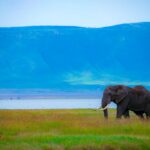
Exploring Tanzania’s Serengeti and Ngorongoro.
Tanzania is a land blessed with an extraordinary richness of natural wonders, and few places embody this better than the Serengeti and Ngorongoro Crater. Renowned for their wildlife diversity and breathtaking landscapes, these regions attract millions of visitors each year, each seeking a glimpse of the majestic creatures that roam the African savannah. However, as tourism grows, so does the need for responsible travel practices that respect both the environment and local communities. In this post, we will explore how to plan a responsible wildlife adventure in Tanzania, with a particular focus on the Serengeti and Ngorongoro.
Understanding the Ecosystem
Before embarking on your adventure, it is crucial to appreciate the delicate ecosystem of the Serengeti and Ngorongoro. The Serengeti is characterized by its expansive plains, woodlands, and rivers, while Ngorongoro is the world’s largest intact volcanic caldera, offering a unique environment that supports a wide range of wildlife, including the famous Big Five: lions, leopards, rhinoceroses, elephants, and buffalo. Understanding the natural balance of these areas helps travelers recognize the impact of their presence and inspires a respect for conservation efforts.
Choosing Responsible Tour Operators
Selecting the right tour operator is fundamental to ensuring a responsible adventure. Look for operators committed to sustainable tourism practices. Responsible tour companies should prioritize conservation efforts, support local communities, and minimize their environmental footprint. They should provide training for guides and employ local staff, helping to empower the surrounding communities and contribute to the local economy. Customer reviews and recommendations can offer valuable insights into the reliability and ethics of the tour operators you consider.
Minimizing Environmental Impact
As visitors, it is imperative to minimize our environmental impact during our travels. This can be achieved in various ways:
- Travel in a Small Group: Smaller groups result in reduced traffic in wildlife viewing areas, minimizing disturbance to the animals and habitat.
- Follow the Rules: Always adhere to the guidelines provided by park authorities. This includes staying on designated roads and respecting wildlife by maintaining a safe distance.
- Leave No Trace: Employ the Leave No Trace principle by ensuring all waste is disposed of properly, adhering to a strict policy of not feeding wildlife, and leaving natural areas as you found them.
- Conservation Contributions: Consider supporting initiatives that contribute to wildlife conservation and community development. Some tour operators include a contribution to local conservation projects within their packages, allowing you to actively participate in preserving these precious environments.
Cultural Respect and Engagement
Engaging with local communities is an enriching aspect of any travel experience. Tanzania is home to a mosaic of cultures, including the Maasai, who have coexisted with wildlife for centuries. It is vital to approach cultural interaction with respect. Seek opportunities to learn about local traditions and practices, but do so respectfully and without imposing. Consider visiting a Maasai village, where local guides can provide authentic insights into their way of life, allowing for a mutually beneficial exchange.
Timing Your Visit
The timing of your visit can significantly impact your experience and the environment. The Great Migration, which typically occurs between June and October, draws numerous tourists seeking to witness this spectacular event. While this is an incredible opportunity, it inevitably leads to increased foot traffic. If your schedule allows, consider visiting during the shoulder seasons (April-May or November-December), which can result in fewer crowds and a more intimate wildlife experience, while also supporting local economies during quieter periods.
Preparing for Your Journey
Preparation is key to ensuring a responsible adventure. Here are some tips for your travel checklist:
- Pack Sustainably: Bring reusable water bottles, utensils, and bags to reduce single-use plastics.
- Eco-Friendly Products: Opt for biodegradable and environmentally safe personal care products, as well as sunscreen that does not harm marine life.
- Health Precautions: Health and safety should be a priority, including obtaining necessary vaccinations and taking precautions against malaria.
- Educate Yourself: Prior to your trip, read about the wildlife and conservation issues in Tanzania, enhancing your appreciation and understanding of the regions you’ll explore.
Conclusion
Planning a responsible wildlife adventure in Tanzania’s Serengeti and Ngorongoro is an opportunity to witness nature’s grandeur while supporting conservation efforts and local communities. By choosing ethical tour operators, minimizing your environmental impact, engaging respectfully with local cultures, and preparing thoughtfully, you can ensure your journey contributes positively to the preservation of these magnificent landscapes and the wildlife that inhabit them. Together, we can enjoy the beauty of Tanzania while safeguarding its ecological integrity for generations to come.